Field Guide of Useful Agents
Your team is lean. Your workload is not.
Custom AI agents for small teams with repeatable work, unclear handoffs, and too many bottlenecks.
Notes on capacity, workflow, and controlled automation by Aboriginal Armadillo
not a pitch deck
start with the work
Start a Workflow Intake01 / Field Observation
The work scaled before the system did.
Small teams can run for a long time on memory, inboxes, documents, dashboards, and one person who knows how everything actually works. Then the work gets heavier. The informal system starts to leak.
not just busy. under-instrumented.
Symptoms
- The same questions keep getting answered by the same person.
- Follow-up depends on memory instead of a system.
- A new hire sounds urgent, but the job is still fuzzy.
Common misread
Looks like: We need another person right now.
May be: The workflow is undefined, manual, or trapped in one person's context.
First check: Which parts repeat, which parts require judgment, and which resources already exist?
context bottleneck
this is where the pain becomes a hiring conversation
Before you hire around the bottleneck, inspect the work.
02 / Proposed Intervention
Turn repeatable work into a controlled agent system.
Aboriginal Armadillo builds agents around specific workflows. We look at the work, the available tools, the data, the documents, and the points where a person still needs to decide. Then we build the system around that reality.
Useful agent: A workflow-specific system with a job, boundaries, tools, and review points.
An agent can help with
It should not replace professional judgment, approve risky actions without review, or pretend physical-world work is software.
The goal is not autonomy. The goal is useful capacity.
03 / Field Procedure
Start with one workflow.
You do not need a finished AI strategy. Bring one workflow that is slow, manual, unclear, or too dependent on one person.
one workflow is enough
Start a workflow intake
Send the workflow and where it gets stuck.
Inspect the shape
We look for repetition, available resources, judgment points, and risk.
Build the useful part
If it fits, we build around the tools and review loops already in play.
Test and deploy
We test on real examples, roll out with limits, and refine from use.
not everything should become an agent
scope before build
Read the full method04 / Evidence Drawer
Records from the workshop.
Agent records and artifacts from the workbench.


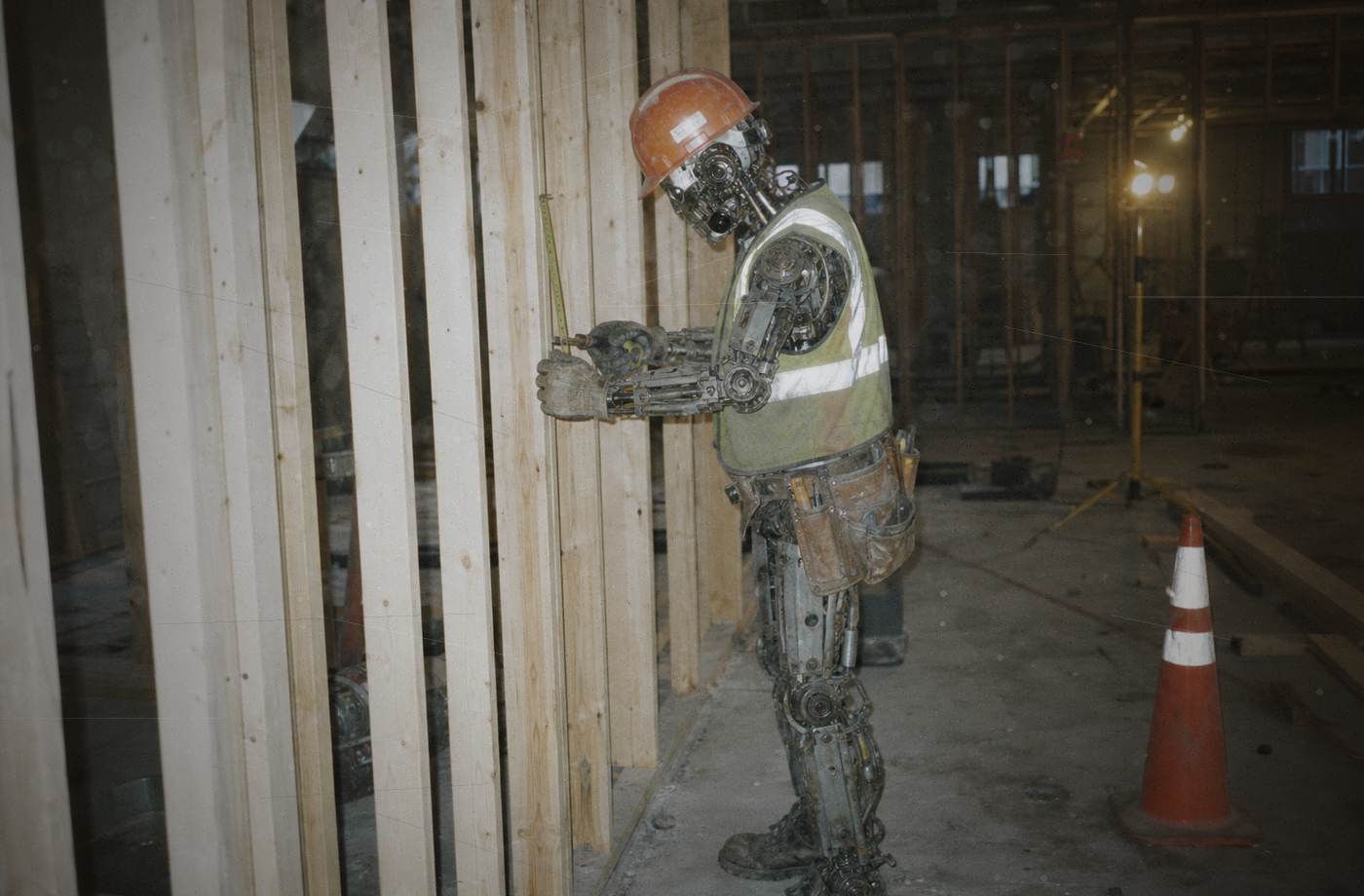
Built patterns
Agent Catalog
View catalog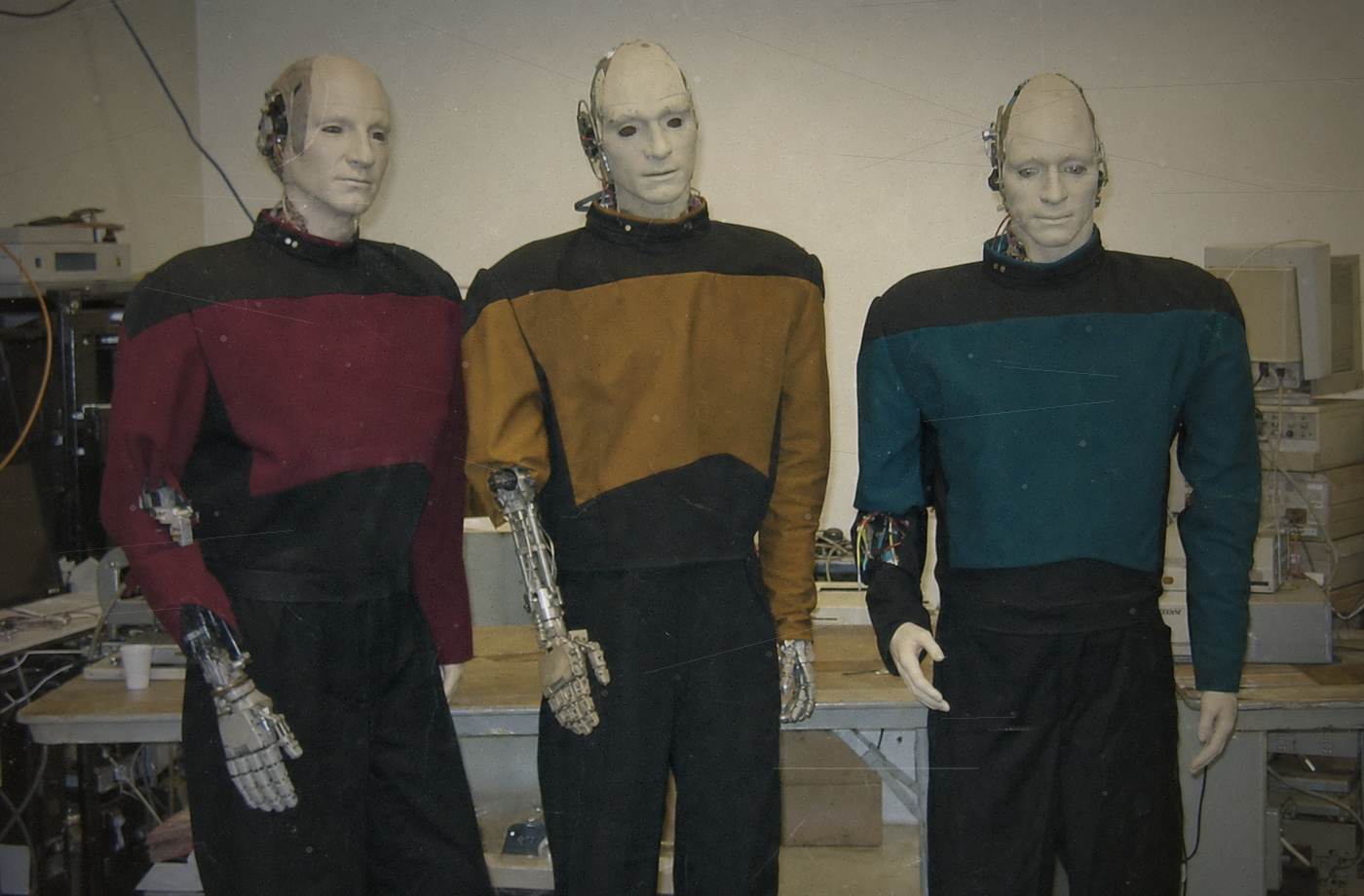
Prior work
Artifacts
Open artifactsSelected records
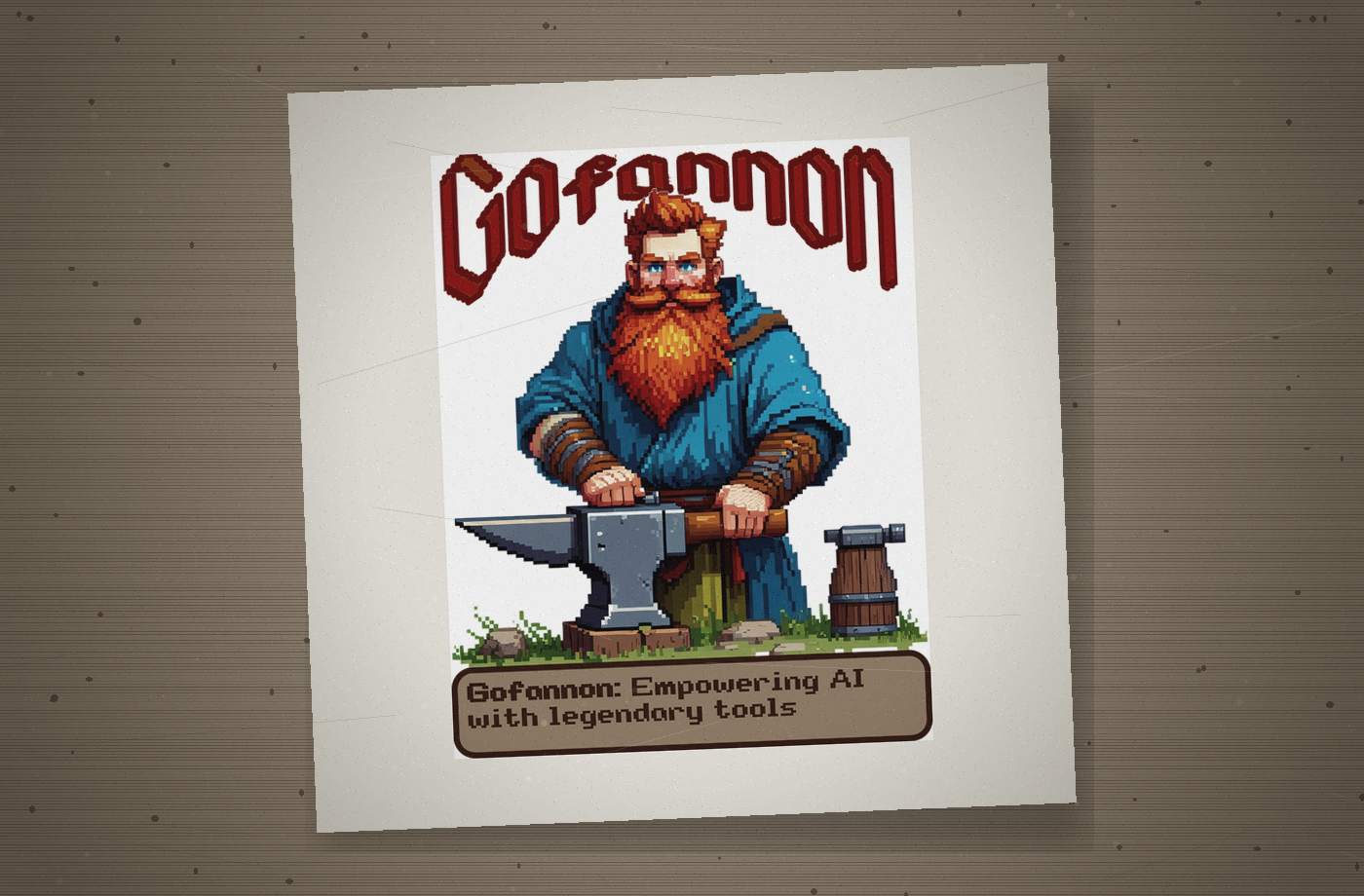
- AgentLabUI / Gofannon - Open-source tooling for turning agent workflows into usable applications.
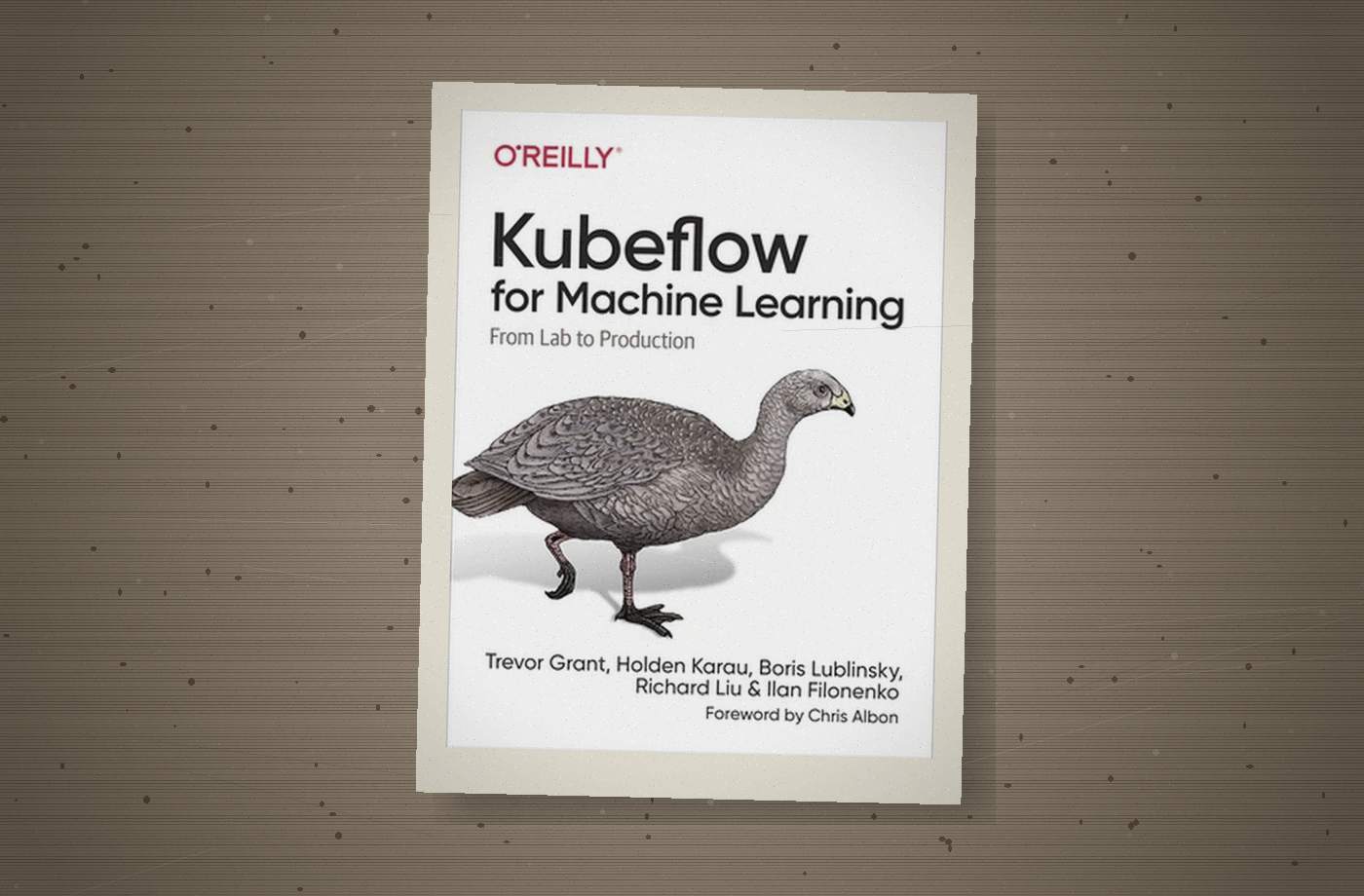
- Kubeflow for Machine Learning - Production ML systems experience, from lab to deployment.
Have a workflow under observation?
Send one messy workflow. We will help decide whether it is worth turning into an agent, a system, a hire, or nothing at all.
one workflow is enough
not every answer is an agent
Start a Workflow Intake