Field observation 01 / Project failure
Projects get stuck when nobody owns the whole technical problem.
The architecture, vendors, team, constraints, and business objective start separating from one another.
That is the kind of situation we take on.
How we work ↓the seams are usually the project.
02 / How we work
Get the parts back into one project.
We establish ground truth, shape the work, set the architecture and workstreams, bring in the right specialists, and stay with delivery through the difficult seams.
- 01Diagnose
- 02Shape
- 03Architect
- 04Assemble
- 05Deliver
Defined project ownership. Not rented seats.
Evidence drawer 03 / Selected artifacts
Receipts, not capability claims.
Open the full drawer →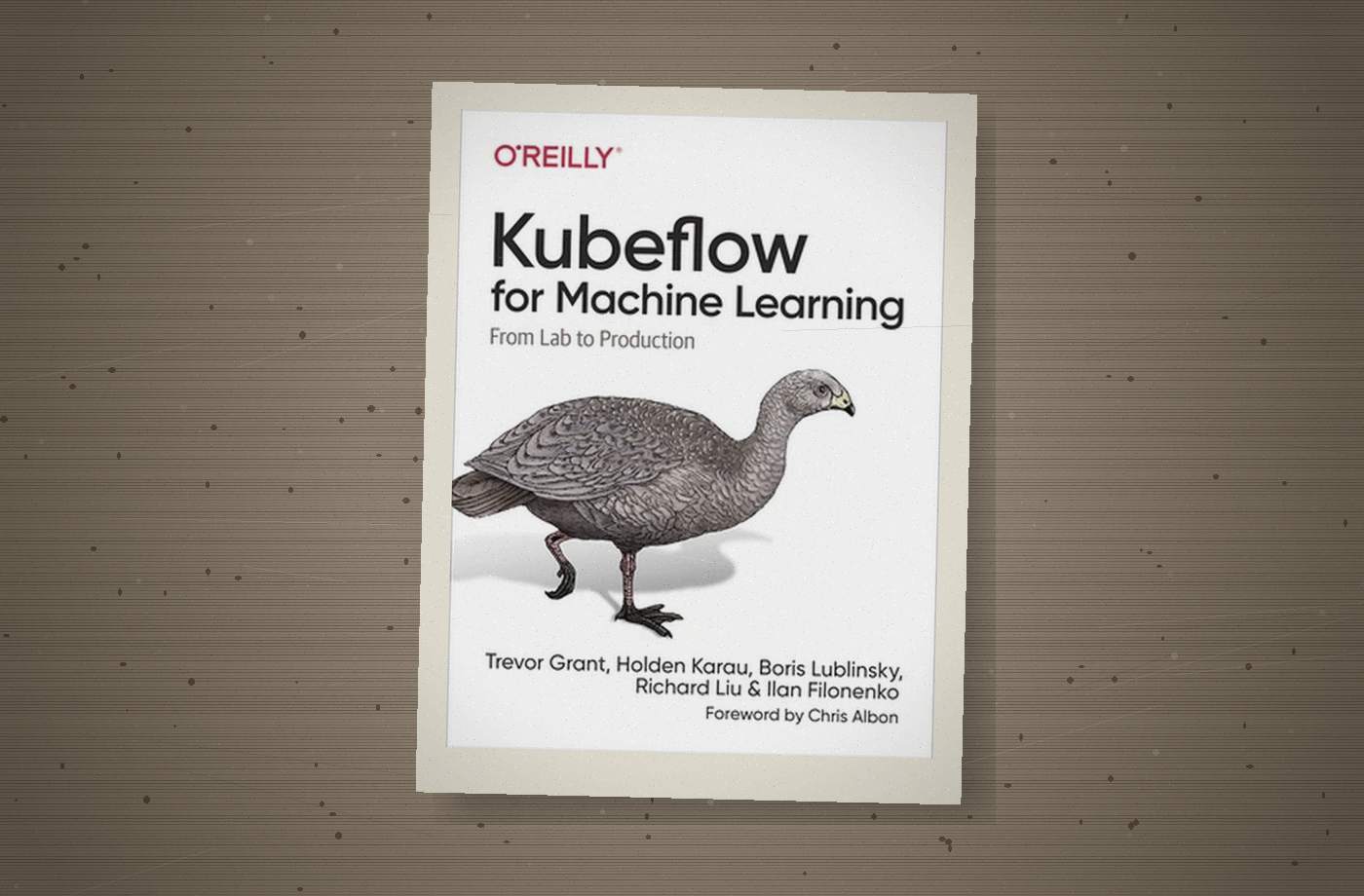 Evidence
Book / Production ML
Kubeflow for Machine Learning
A production-minded guide written while the platform kept moving underneath it.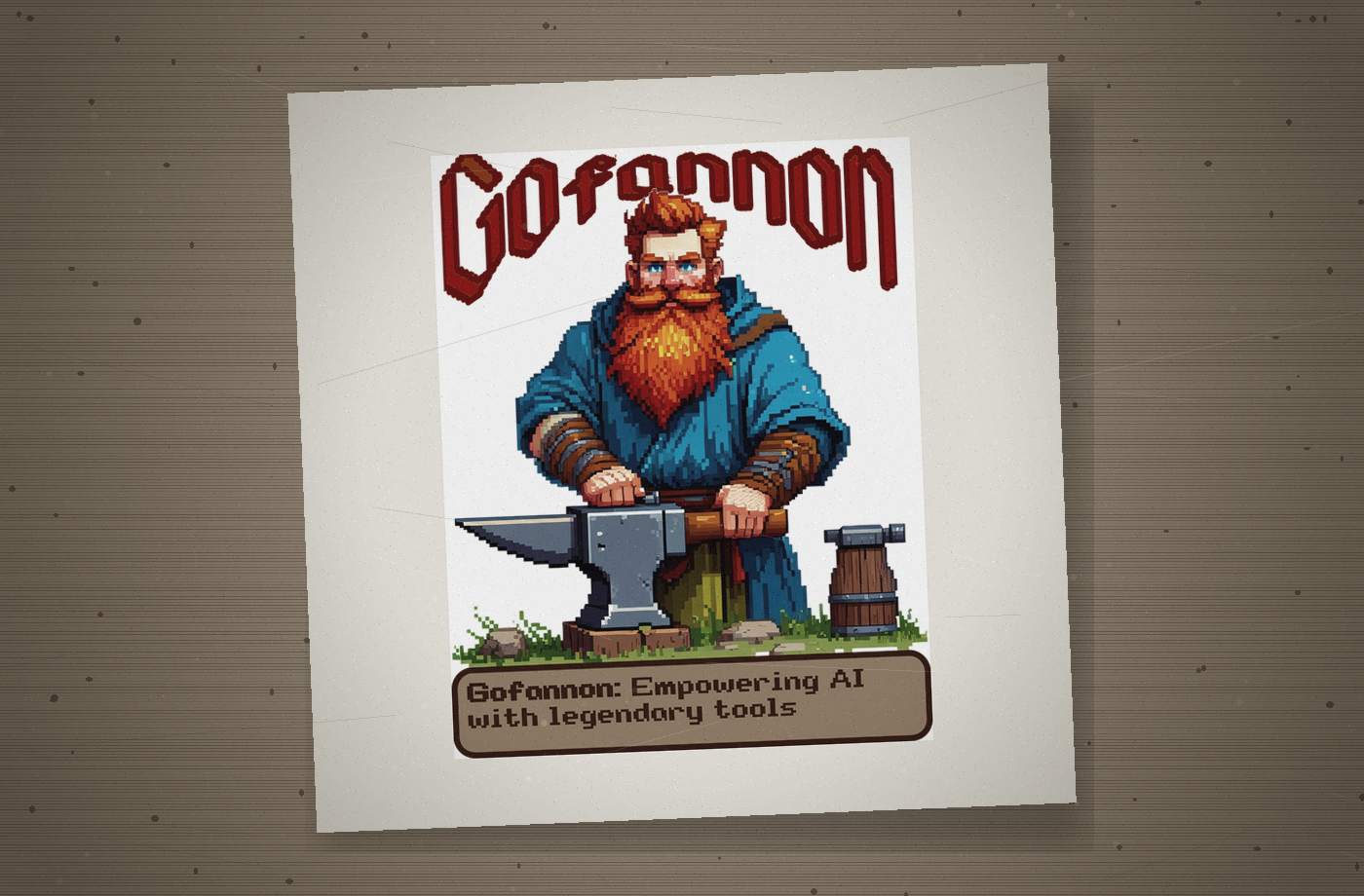 Evidence
Open source / Agent systems
AgentLabUI → Gofannon
A rewrite that made the interface—and the operating boundary—the real product.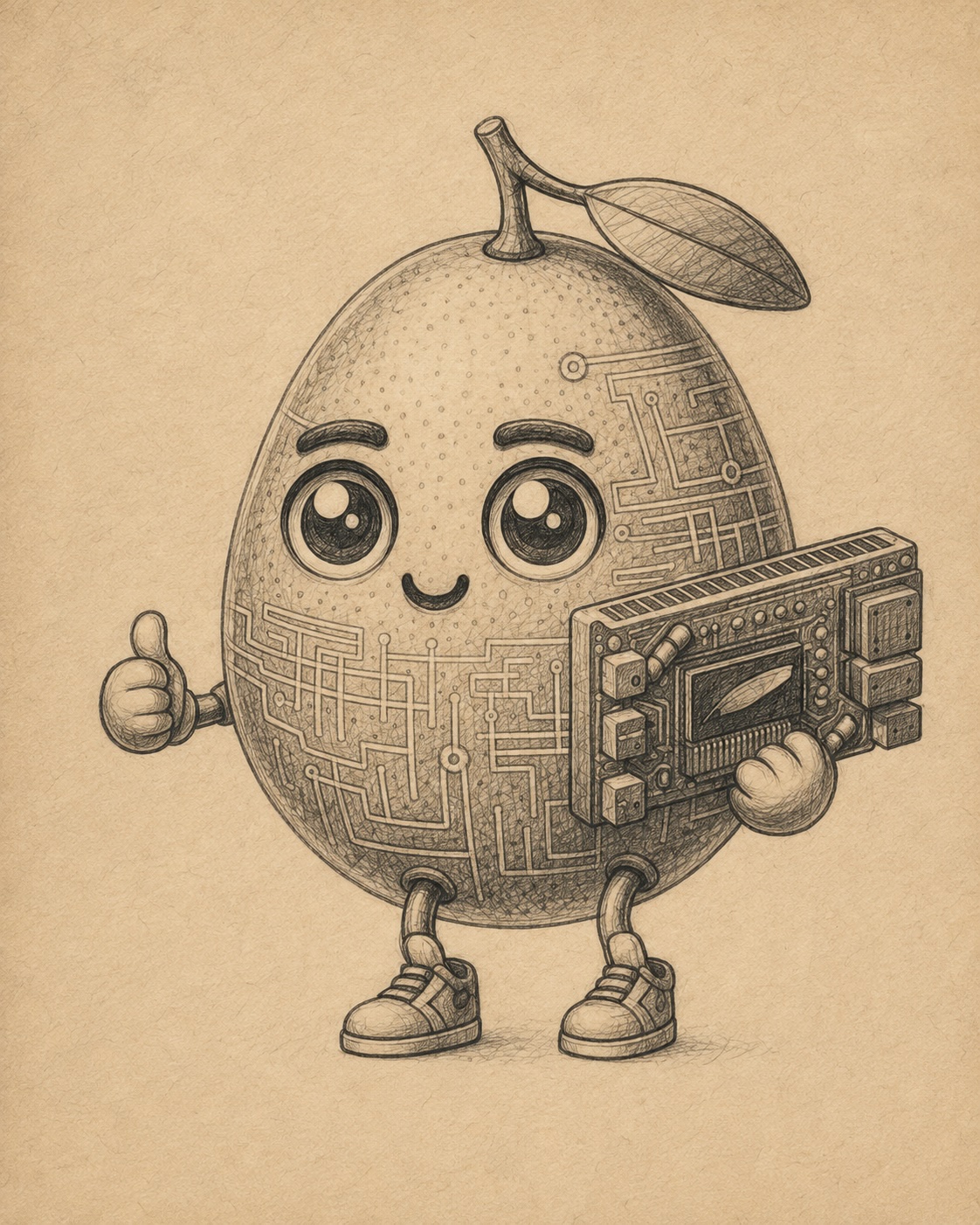 Evidence
Open source / 2016–2026
Apache Mahout / QuMat
A long-running project finding the abstraction that still mattered, then pointing it at a new problem.Three files from a longer trail through IBM, Accenture, Apache open source, international technical speaking, and production systems.
Company file 04 / People and point of view
Keep the whole technical problem in view.
Aboriginal Armadillo leads the work and assembles the team the project actually requires. The firm remains responsible for keeping those parts coherent.
Certified SDVOSB
About the firm →Field Notes / patterns worth keeping
- 01The Decision Packet Is the Deliverable
Make the decision, not an option dump.
- 02A Tool Pile Is Not a Product
Parts only matter when they resolve into a system.
- 03Bring Real Examples, Not Abstract Requirements
The awkward cases are where the truth lives.
bring the messy version.